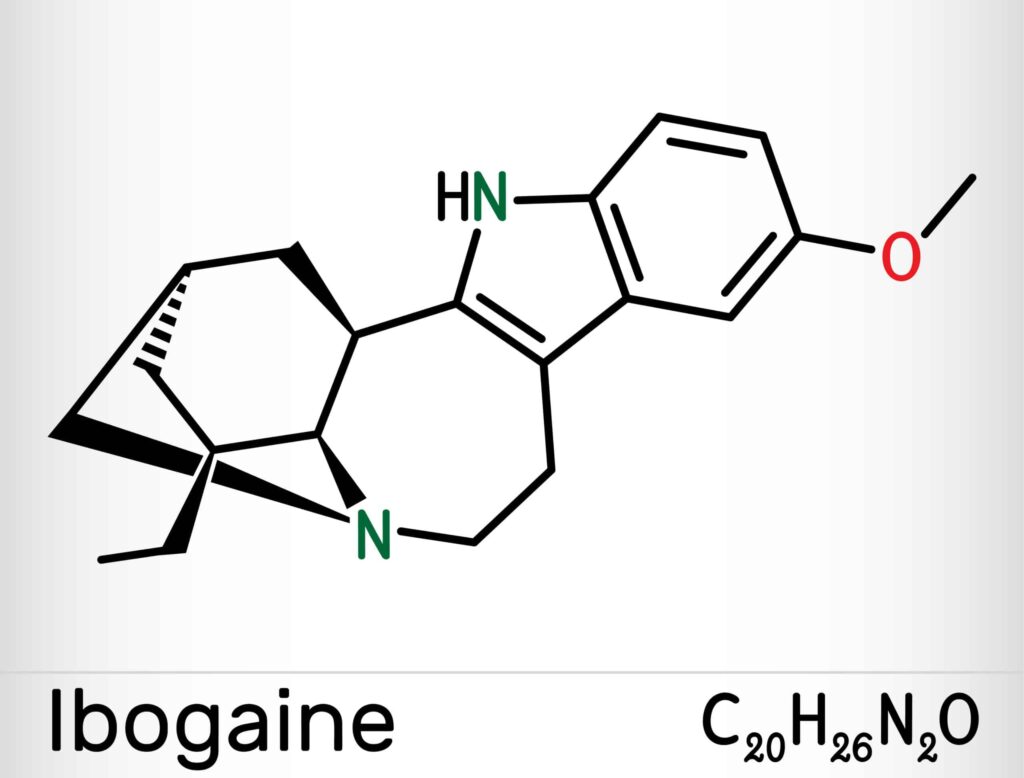
Understanding Ibogaine in Modern Research: Why Interest Continues to Grow in Europe
In recent years, ibogaine has become one of the most discussed natural compounds in the field of addiction research, neuroscience, and alternative therapeutic studies. As interest in plant-based alkaloids continues to expand, researchers across Europe are exploring ibogaine’s unique pharmacological profile and its potential role in understanding addiction mechanisms.
Unlike many conventional compounds studied for dependency management, ibogaine stands out because of its complex interaction with multiple neurotransmitter systems. This has made it a major subject of scientific curiosity within the broader research chemicals market.
What Is Ibogaine?
Ibogaine is a naturally occurring alkaloid derived from the root bark of Tabernanthe iboga, a shrub native to Central Africa. Traditionally used in spiritual ceremonies by the Bwiti people, ibogaine has evolved from ancient plant medicine into a modern compound of interest for scientific study.
Researchers have focused on ibogaine due to its interaction with dopamine, serotonin, glutamate, and opioid receptor systems. This broad mechanism has led many scientists to investigate how it influences neuroplasticity, behavior, and reward pathways.
Why Is Ibogaine Important in Research?
Ibogaine’s growing popularity in research comes from its unusual pharmacological behavior.
Studies suggest that ibogaine and its active metabolite, noribogaine, may affect pathways associated with addiction, cravings, and withdrawal. This makes it highly relevant for laboratories studying:
- Neurochemistry
- Addiction science
- Behavioral pharmacology
- Psychedelic-assisted research
- Mood regulation studies
Its ability to act across several systems simultaneously makes it a rare compound in the research space.
The Rising Demand for Ibogaine in Europe
Interest in ibogaine research has expanded significantly across Europe. Universities, independent laboratories, and specialized researchers continue exploring its chemical structure and potential applications.
As demand grows, sourcing high-purity ibogaine products has become increasingly important for legitimate research purposes.
For those searching for ibogaine in Europe, finding reliable and lab-tested sources is essential for maintaining research integrity and product consistency.
Whether the focus is on iboga root bark, total alkaloid extracts, or purified ibogaine HCl, quality control remains one of the most important factors in chemical research.
Ibogaine and the Future of Psychedelic Research
The renewed interest in psychedelic compounds has pushed ibogaine back into the spotlight. Alongside compounds like psilocybin and ketamine, ibogaine is now part of broader discussions about mental health, trauma research, and neurochemical recovery pathways.
What makes ibogaine unique is its long duration and deep neurological effects. Researchers continue to examine how these properties differ from other psychoactive alkaloids.
This makes ibogaine a valuable subject for future pharmacological studies.
Choosing High-Quality Research Chemicals
Purity, authenticity, and laboratory verification are essential when sourcing research chemicals. For compounds as complex as ibogaine, trusted suppliers should provide:
- Third-party lab testing
- Transparent sourcing information
- Purity analysis
- Proper storage guidance
- Accurate compound identification
Reliable sourcing helps ensure consistency in research outcomes and protects the integrity of scientific investigation.
Final Thoughts
Ibogaine remains one of the most fascinating natural compounds in modern chemical research. Its unique history, complex pharmacology, and growing scientific relevance continue to attract attention across Europe and beyond.
As research into addiction science and psychedelic compounds expands, ibogaine will likely remain at the center of important discoveries.
For researchers, educators, and laboratories, understanding ibogaine’s role in modern science is an important step toward exploring its full potential.